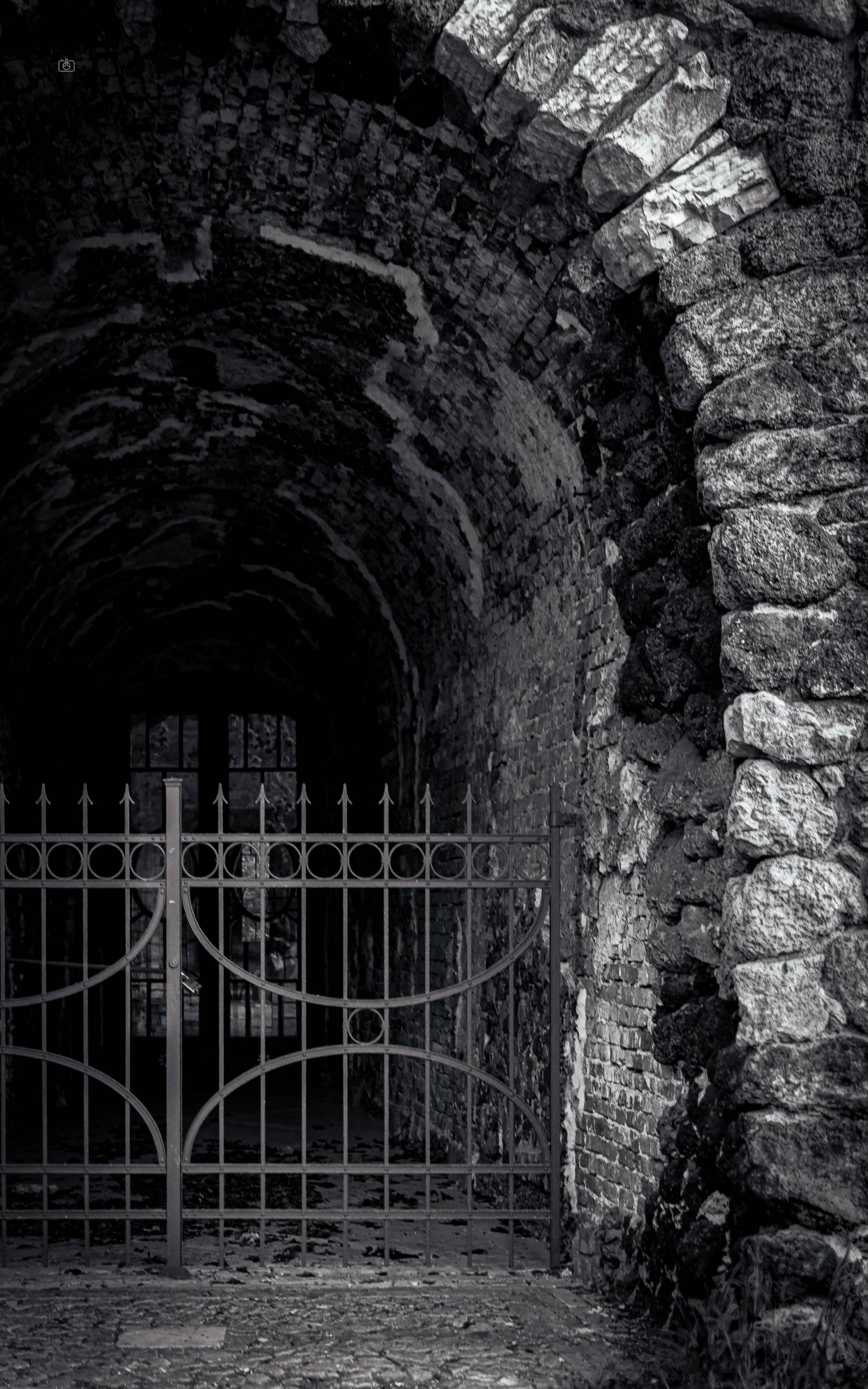
This poem interweaves coal mining and geology, the Divine Comedy (in particular Inferno), the lyrical tradition of the katabasis, medieval pilgrimages, medieval mystery plays, and Catholic liturgy and architecture.
I dig —— into dark seams of distant hills.Though frosted green and palest blue,hill-hearts are black with coal and spill.I dig deep, chest bare, without a crew.By mantle's light, with axe and pick,cold iron that meets the blackened veins,my forehead damp, my back is slickwith sweat beads formed from what remains.I dig —— into Virginia's mountains hence,through layered strata of black rock,long hid behind old minehead's fencethat's guarded by a broken lock.Though fifty years of cogwheels’ turnshave led me across wide waters’ waves,my pick chips at the coal seams, earnedfrom each old rock in miner's nave.The pick wears out. The headlamp’s glowfades anew. My fingers’ nails biteat mine's deeps, scraping coal dust moteswith each faint beam of dying light.I dig —— with dry mouth, thirst, and shaking arms,at last a hole is breached inside,revealing chamber hidden, scarredinto this mountain's frozen tide.Rose window gaps in ancient coalreveal a boy of just five years.He sits there, frightened in this hole:five decades he's been buried here.Into the gap I reach and seewithin the mountain's pitch-black soulan unseen boy, a buried mefor whom a mother's bell had tolled.He takes my hand and pulls me into meet him where it all began,stone altar carved by miners' dinwhere Isaac lay — and never ran.