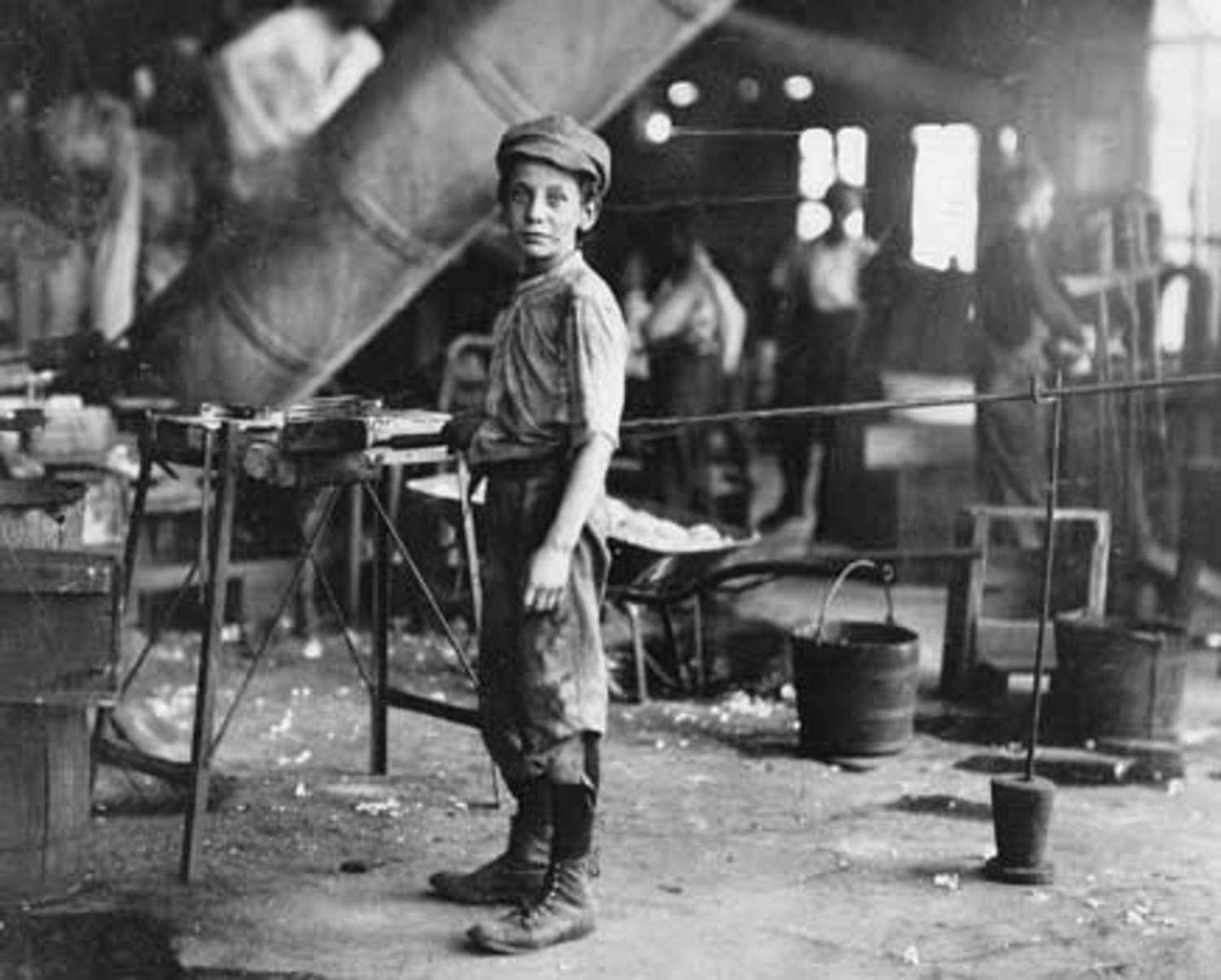
A Tale of a Victorian Drawboy
A Draw boy in the 19c is what we would call a creeler today, they were taken out of school at an early age (8 to 10 years old) and often away from their families to live with and work for the Weaver, when boys weren’t available Girls were enlisted, this was considered a dangerous practice because as the young girls matured they would be subject to sexual attacks from Weavers. Loom shops were basically large sheds with four to 16 looms in each, Weavers would try to get a piece finished for 'Fall day’ which was payday. This is how I think it would have been in Kidderminster nearly two hundred years ago.
On a cold windswept morn along an unlit roadI made my weary way toward the old townFather's old collar turned against rain and coldHis old crumpled hat pulled tightly down. Along crowded streets through the bustling HorsefairWhere cries of hawkers floated free on the breezeThrough mud ankle deep, horse droppings everywherePast the beggar's and vagrant's pitiful pleas. I was just ten years old, two years out of schoolA boy walking down a Victorian streetMy young bones were aching on a diet of gruelOnly five in the morning, and dead on my feet. Down wet cobbled streets into Mill Street and onuntil the dull lights of the loom shop appearedUp worn concrete steps broken handrail long goneThrough the creaking oak door I gingerly peered. The stench hit my nose like the fist of a manThe dim candles flickering within the gloomthrew shadows of a man urinating in a canUsing it later to dye wool for the loom. An empty shuttle flew past the side of my headTwas Monday morning my weaver had spent the nightin the Freemasons Arms and had not seen his bed‘Come on young Jack, you’re wasting my light! He was still drunk because of fall daythat was pay day for the weaver and I,It was always on a Thursday or Saturdaywhen missed, I’ve seen grown men cry. We wove near twenty five yards a weekmy weaver got one shilling a yard,He paid me four shillings, his little pipsqueakwhich I took home to Mother, times were hard. It was the day we worked toward all weekso come Friday we’d work both day and night.My weaver sheared the carpet to tweakand hated cutting ends to make it right. We’d carry it to the factory for inspectionand, if all was ok, he got paid,But if anything needed correctionwe hauled it back and I got flayed. From his wage he’d pay for candles and coaland would have to pay his loom rent,Then he’d be off to drown his soultill most of his earnings were spent. Now here I am on a dark Monday mornmy old weaver’s hung over and ill,I have to work hard from dusk until dawnso come Saturday he can have his fill. I cast my eyes around my workplacethree other workers toiled at their loom,The strain and worry etched on their facefor each had babies in their woman’s womb. Unpainted walls carpeted with fine yarn dustThe stench of the wool an unbearable smellI hated this place but in God I must trustTill I too were a weaver inside this hell. This was my life for eleven more yearswhen I too would have my own draw boy,The thought was enough to turn me to tearsbut the loom shop was home and here I would die. In this year of our Lord eighteen twenty fiveyou get on with life as best you are ableCome Sundays you thank God you are still aliveyou thank him for family, food on your table. So even though poor, our blessings are countedthere are others a lot more worse off than usAny problems arising are always surmountedWith no heartache, no pain and without any fuss